The Reality of Fitness Goals: What You Need to Know
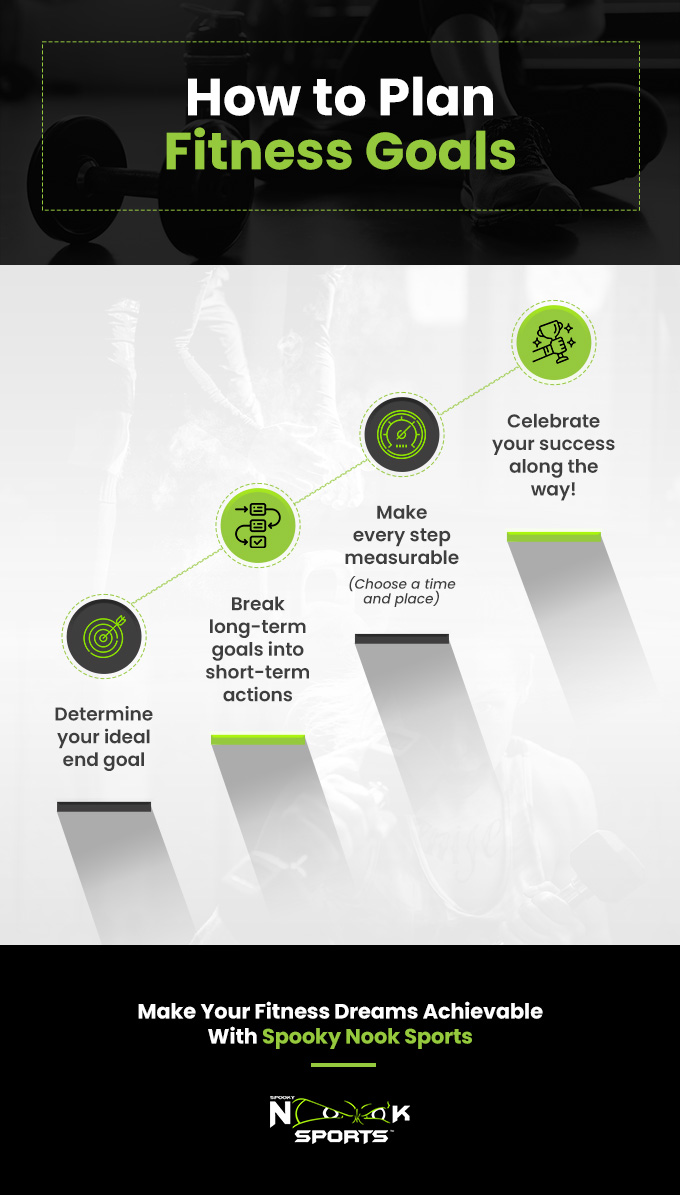
Setting fitness goals is an essential step towards achieving a healthier lifestyle, but it's crucial to understand the reality of fitness goals. Too often, individuals set unrealistic expectations, leading to frustration and disappointment. To create effective fitness goals, consider the SMART criteria: Specific, Measurable, Achievable, Relevant, and Time-bound. This will ensure that your goals are not only clear but also attainable. Remember, it's important to focus on gradual progress rather than seeking instant results.
Moreover, it's vital to recognize that fitness is a journey, not a destination. Regularly reevaluating your goals can help keep you motivated and aligned with your evolving fitness level. Here are three key points to keep in mind:
- Fitness goals should be adjusted as you progress; they are not set in stone.
- Celebrate small victories along the way to maintain motivation and enthusiasm.
- Consider incorporating aspects of mental health and well-being into your fitness objectives, as overall wellness is a holistic journey.
Why Chasing Sweat Might Be Holding You Back: Common Myths Debunked
When it comes to fitness, many people operate under the misconception that chasing sweat is the ultimate indicator of a successful workout. This myth has led to a glorification of high-intensity training sessions where perspiration is synonymous with effort. However, chasing sweat can often divert attention from more essential factors such as proper form, recovery, and nutritional balance, ultimately hindering progress. Instead of focusing solely on how soaked you get in the gym, recognizing the importance of a well-rounded fitness regimen could pave the way to more sustainable results.
Moreover, the belief that more sweat equals more calories burned is another common myth that deserves debunking. In reality, sweat is merely the body's way of regulating temperature. Many individuals may push themselves into exhausting workouts in hopes of maximizing sweat output, resulting in burnout or injury. Chasing sweat not only promotes a flawed understanding of fitness but also fosters unhealthy habits such as overtraining. Instead, embracing a balanced approach that prioritizes consistency and variety in your workouts can lead to better long-term outcomes.
Are Your Fitness Goals Realistic? A Guide to Setting Achievable Targets
When embarking on your fitness journey, it's crucial to assess whether your fitness goals are realistic. Setting achievable targets not only boosts your motivation but also helps prevent burnout and disappointment. To determine the viability of your goals, consider the SMART criteria—Specific, Measurable, Achievable, Relevant, and Time-bound. For instance, instead of aiming to 'get fit,' specify a goal like 'running a 5K in under 30 minutes within three months'. This clarity allows you to track your progress effectively and stay focused.
Furthermore, it’s important to incorporate flexibility in your goal-setting process. Life can be unpredictable, and occasionally, we may encounter obstacles that hinder our progress. Thus, creating an ordered list of fitness goals can be helpful:
- Set short-term goals (e.g., workout three times a week).
- Establish medium-term goals (e.g., lose 5 pounds in a month).
- Define long-term goals (e.g., complete a marathon in a year).
Remember, **adjusting your goals** as needed will not signify failure; rather, it reflects your resilience and commitment to personal growth.