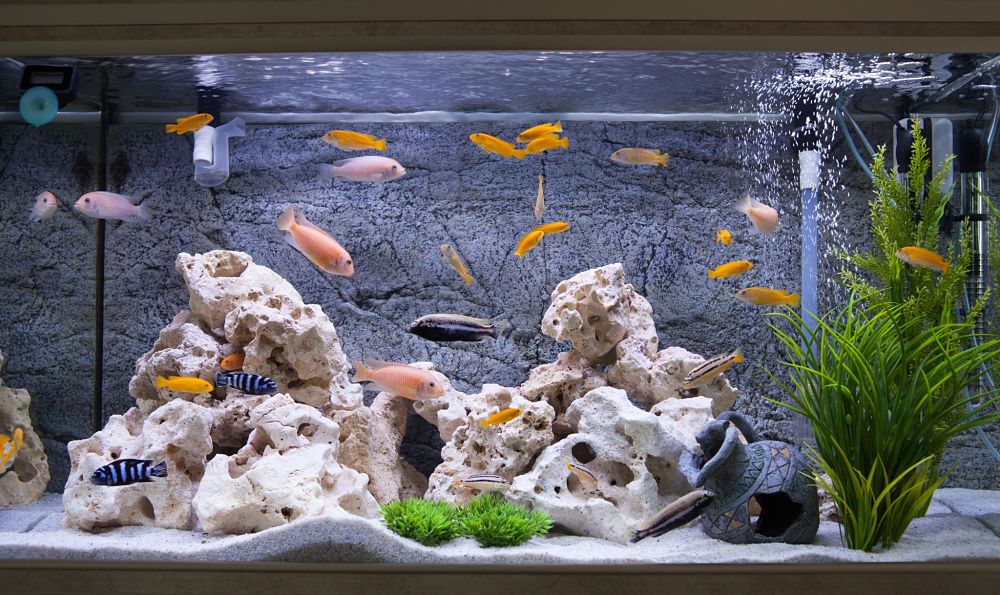
The Secret Life of Your Fish: 5 Things They Wish You Knew
When it comes to caring for your aquatic pets, it's easy to overlook the intricate lives they lead beneath the surface. Did you know that fish are not just decorative ornaments? They possess unique personalities and social structures! Understanding their behavior can significantly enhance their well-being and your enjoyment of their company. Here are five things your fish wish you knew:
- They crave stimulation and interaction. Many fish species thrive when provided with various forms of enrichment. Whether it's through tank decorations or new tank mates, keeping their environment dynamic is crucial.
- Water quality is vital. Fish often tolerate poor water conditions far longer than we think, but chronic exposure can lead to health issues. Regular testing and maintenance of water parameters will go a long way in keeping your fish happy and healthy.
- Silence is golden. Fish are highly sensitive to vibrations and noises in their environment. Keeping the tank stress-free with minimal disturbances will ensure they live a more peaceful life.
- Diet matters! Just like any pet, fish have specific dietary requirements that should be met. Providing a balanced diet will not only enhance their colors but also boost their immune system.
- They are social creatures. Many fish species are naturally social and thrive in groups. Keeping them in compatible schools can lead to happier and more vibrant fish.
Aquarium Etiquette: What Your Fish Really Thinks About Their Home
A well-maintained aquarium is not just a beautiful addition to your home, but it also plays a crucial role in the lives of its inhabitants. Fish are sensitive creatures, and their environment significantly impacts their well-being. When setting up your aquarium, consider the natural habitats of your fish. For instance, species like bettas thrive in peaceful, relatively warm waters, while others, like goldfish, prefer cooler temperatures. The compatibility of your fish also matters; overcrowded tanks can lead to stress and aggression. Thus, understanding Aquarium Etiquette is essential for ensuring a harmonious living environment for your aquatic pets.
Moreover, your fish have their own thoughts about their home, which may surprise you. Have you ever noticed your fish hiding in plants or decorations? This behavior often indicates that they feel threatened or uncomfortable. To keep your aquatic friends content, provide plenty of hiding spots and maintain a clean, stable environment. Regular water changes, appropriate filtration, and mindful feeding will go a long way in maintaining a healthy aquarium. Remember, the goal of practicing good Aquarium Etiquette is to ensure your fish feel safe, secure, and truly at home in their aquatic paradise.
Are You Listening? Insights into the Behavior of Your Aquarium Residents
Understanding the behavior of your aquarium residents is crucial for creating a harmonious aquatic environment. Each species has its own unique behavioral patterns that can indicate their health and well-being. For instance, frequent hiding can suggest stress or discomfort, while active swimming often signifies a thriving environment. Are you listening to these subtle cues? Observing your fish during feeding times can provide insights; enthusiastic eating habits can point to a healthy and content fish, while disinterest in food might be a red flag. Keep an eye on their interactions too, as aggressive behaviors may indicate problems that need to be addressed.
Additionally, the social dynamics within your aquarium can reveal a lot about its inhabitants. Some species, like tetras and gobies, thrive in groups and exhibit fascinating social behaviors when surrounded by their kind. On the other hand, solitary fish may experience stress when placed in crowded setups. Explore the compatibility of different species and their need for personal space. Are you listening to the silent communication happening under the water? Providing suitable environments according to each fish's needs—be it through décor, lighting, or water conditions—can significantly enhance their quality of life and reduce behavioral issues.